Scott Wiener Wins Pelosi Seat, Eyes Federal AI Regulation
Following a tight San Francisco congressional victory, California state senator Scott Wiener prepares to bring state-level AI oversight to Washington.
EXECUTIVE BRIEF // KEY TAKEAWAYS
Following a tight San Francisco congressional victory, California state senator Scott Wiener prepares to bring state-level AI oversight to Washington.
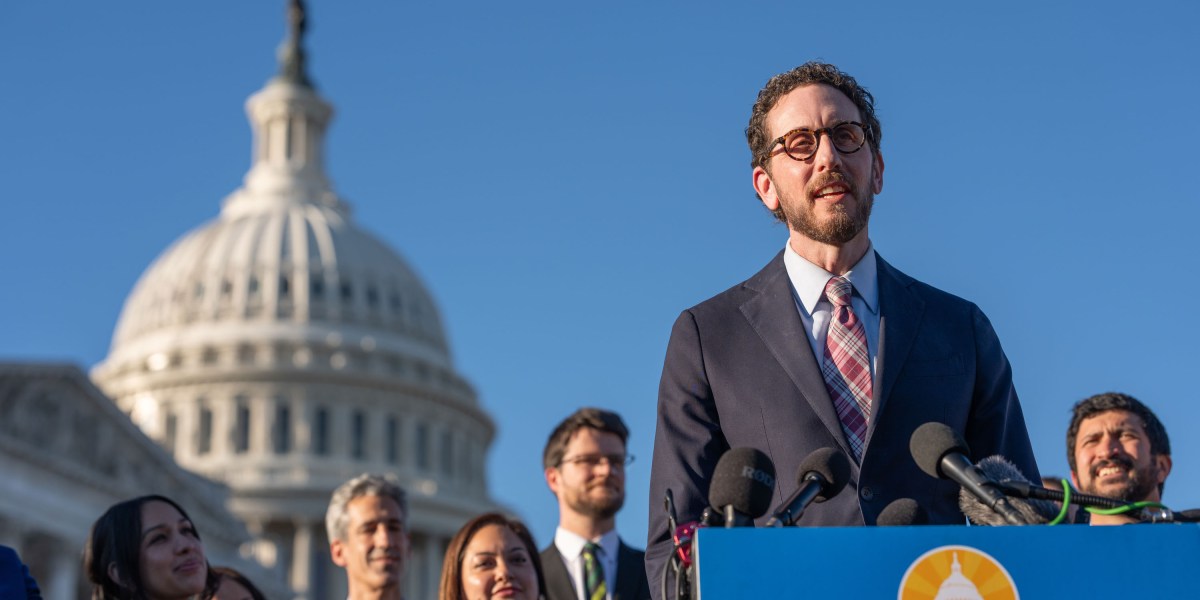
California state senator Scott Wiener has won a closely contested congressional election to succeed former Speaker of the House Nancy Pelosi in her open San Francisco seat, positioning a prominent architect of state-level artificial intelligence legislation to shape federal technology policy, according to a report by MIT Technology Review. Having previously authored California legislation designed to curb the risks associated with advanced artificial intelligence systems, Wiener enters the United States House of Representatives with established legislative credentials in frontier technology oversight. His transition from Sacramento to Washington marks a significant shift in congressional representation for the heart of the American technology industry at a critical juncture for national regulatory frameworks.
The outcome of the San Francisco congressional race carries direct implications for technology enterprises, venture capital markets, and artificial intelligence developers operating across the United States. San Francisco serves as the primary operational hub for many of the world's leading artificial intelligence laboratories and enterprise software companies. By sending a lawmaker with a demonstrated track record of authoring risk-mitigation statutes to Capitol Hill, the district elevates regulatory scrutiny from the state legislature directly into federal committee deliberations. Market participants and corporate compliance officers now face the prospect that policy debates previously concentrated in California will inform broader national standards governing model development, deployment, and safety governance.
From State Legislation to Capitol Hill
During his tenure in the California State Senate, Wiener gained national attention for authoring legislation specifically aimed at mitigating the risks posed by advanced artificial intelligence, as documented by MIT Technology Review. For years, California has functioned as the de facto regulatory proving ground for the United States technology sector, largely due to the absence of comprehensive federal statutes governing emerging digital technologies. In the wake of Pelosi's decision to vacate the long-held San Francisco congressional seat, the race to replace the former House Speaker became a focal point for industry stakeholders evaluating how the district's next representative would balance technological innovation with statutory guardrails.
Speaking with MIT Technology Review on the Friday immediately following his victory in the tight congressional contest, Wiener outlined his readiness to engage on artificial intelligence policy at the federal level. Stepping into the seat long occupied by Pelosi, one of the most influential figures in modern congressional history, grants Wiener an immediate platform within the federal legislative apparatus. Unlike lawmakers who must build familiarity with complex computational governance from scratch, Wiener arrives in Congress having already navigated the intricate legislative mechanics and industry negotiations surrounding advanced AI risk management.
Operational Impact on Enterprise Technology
For enterprise technology leaders and artificial intelligence laboratories, the elevation of a state legislator focused on AI risk to the House of Representatives alters the compliance calculus across multiple operational dimensions. Companies building and deploying advanced models have long navigated a fragmented regulatory landscape, where state-level initiatives in jurisdictions like California have progressed faster than federal action. When a lawmaker who spearheaded state-level AI risk legislation transitions to the federal arena, the frameworks and policy priorities tested at the state level gain a direct conduit into national legislative drafting.
Institutional investors and corporate governance teams closely monitor the composition of congressional delegations representing major innovation hubs. Representatives from the San Francisco Bay Area historically wield substantial influence over colleagues when technical legislation reaches the House floor, as other lawmakers frequently look to the district's representative to gauge the feasibility and economic impact of proposed technology rules. Wiener's focus on curbing the risks of advanced AI signals that federal discussions may increasingly center on concrete statutory mechanisms rather than purely voluntary industry commitments, affecting how software vendors allocate resources toward safety engineering, compliance documentation, and government affairs.
Strategic Outlook for Federal AI Policy
Looking ahead to the upcoming congressional session, Wiener's ability to translate his state-level legislative experience into federal law will depend on committee assignments, bipartisan coalition-building, and the broader legislative agenda in a divided or narrowly held Congress. While authoring legislation in the California State Senate allowed Wiener to drive policy within a single-party majority environment, advancing federal artificial intelligence regulation requires reconciling divergent perspectives on national competitiveness, innovation speed, and systemic risk across both chambers of Congress.
Nevertheless, MIT Technology Review notes that Wiener could play a key role in setting federal AI policy as Washington grapples with the rapid proliferation of advanced computational systems. As federal lawmakers weigh potential oversight frameworks in the months ahead, the presence of a representative from San Francisco who has already authored targeted AI risk legislation ensures that structured regulatory proposals will remain at the forefront of the national policy debate.