Voter Concerns Over Governance Shape US Electoral Shifts
CleanTechnica commentary examines how voter frustration with perceived government corruption influenced recent US election outcomes and policy trajectories.
EXECUTIVE BRIEF // KEY TAKEAWAYS
CleanTechnica commentary examines how voter frustration with perceived government corruption influenced recent US election outcomes and policy trajectories.
Voter dissatisfaction with perceived government corruption emerged as a primary catalyst in recent United States electoral outcomes, according to commentary published by CleanTechnica. The analysis notes that public frustration over institutional ethics and executive governance played a central role in driving a major Democratic electoral wave, described in the commentary as a historic shift in voter sentiment that contrasted historical governance concerns with the specific administrative controversies of the Trump era.
For the clean energy, climate technology, and industrial policy sectors, the drivers behind major electoral realignments carry substantial weight for long-term capital allocation. While macroeconomic indicators, energy prices, and sector-specific subsidies often dominate pre-election forecasting, electoral shifts rooted in broader governance and institutional accountability concerns directly determine the legislative composition and regulatory leadership that oversee federal energy transition frameworks, permitting processes, and public-private infrastructure financing.
Governance Perception and Electoral Dynamics
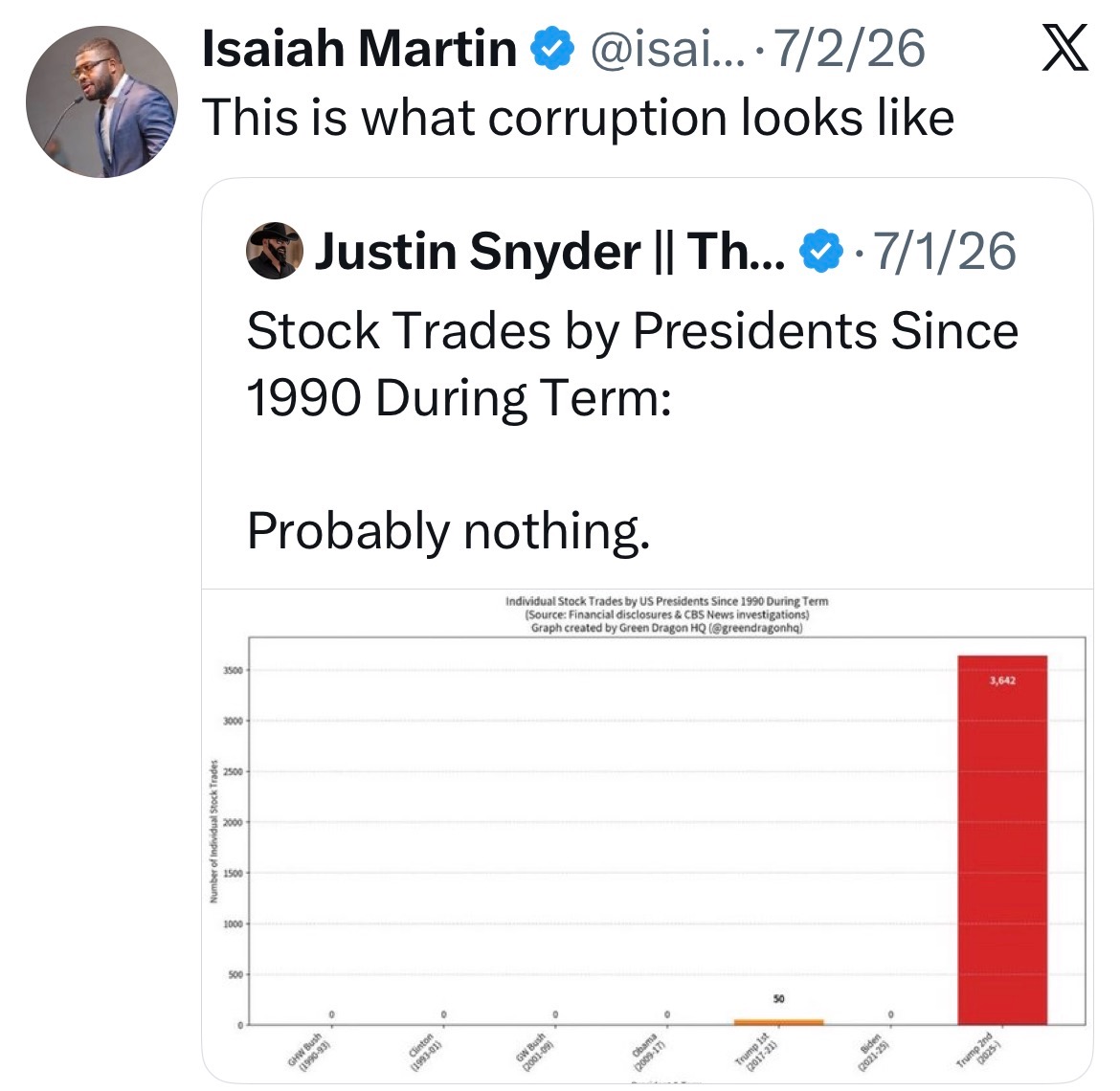
In its assessment of the recent US election cycle, CleanTechnica highlighted that voter fatigue regarding government corruption served as one of the most consequential factors behind the sweeping electoral results. While ethical scrutiny and allegations of public-sector impropriety have remained recurring themes across modern American political history, the publication observed a distinct shift in how voters weighed contemporary administrative practices against historical baselines.
Rather than treating governance standards as a secondary partisan talking point, segments of the electorate elevated institutional integrity to a decisive ballot issue. According to the CleanTechnica commentary, the scale of the electoral outcome reflected accumulated public dissatisfaction with how executive authority and public institutions were perceived to operate, turning ethical oversight into a central determinant of voter turnout and party preference.
Implications for Regulatory Stability and Clean Tech Investment
When electoral mandates are driven by demands for institutional accountability and governance reform, the resulting legislative and administrative priorities frequently extend into regulatory oversight and industrial policy execution. Across the clean energy and climate technology landscape, federal agencies administer complex statutory programs involving tax credit guidance, grid interconnection rules, environmental compliance standards, and public procurement contracts.
Market participants and institutional investors closely monitor the durability of these regulatory structures following major election cycles. Shifts in congressional oversight and executive branch priorities can alter the pace of agency rulemaking, the enforcement of environmental and ethics compliance, and the scrutiny applied to federal grant and loan disbursements. For clean energy developers and manufacturing enterprises, clear and predictable administrative governance reduces policy uncertainty, allowing project financiers to evaluate multi-year infrastructure commitments without the added risk of arbitrary regulatory reversals or opaque administrative decision-making.
Furthermore, heightened public attention on government ethics often prompts stricter transparency requirements around lobbying, campaign finance, and industry influence over energy and environmental regulation. In capital-intensive sectors where incumbent fossil fuel interests and emerging clean technology firms compete for regulatory clarity and infrastructure access, the standard of institutional impartiality remains a critical variable for market competition.
Strategic Outlook for Policy and Oversight
Looking ahead, the prominence of governance and anti-corruption themes in the recent US election suggests that incoming lawmakers and regulatory administrators will face sustained public scrutiny regarding transparency and institutional conduct. As federal and state authorities advance energy transition initiatives, infrastructure permitting discussions, and industrial funding allocations, oversight committees are likely to emphasize procedural rigor and accountability.
For enterprise leaders and policy analysts tracking the clean technology sector, understanding the underlying electoral motivations documented by observers like CleanTechnica provides essential context for navigating the post-election legislative environment. How newly empowered policymakers translate voter demands for institutional integrity into concrete legislative governance and regulatory administration will shape both the political durability of climate policy and the broader investment climate across the United States.